
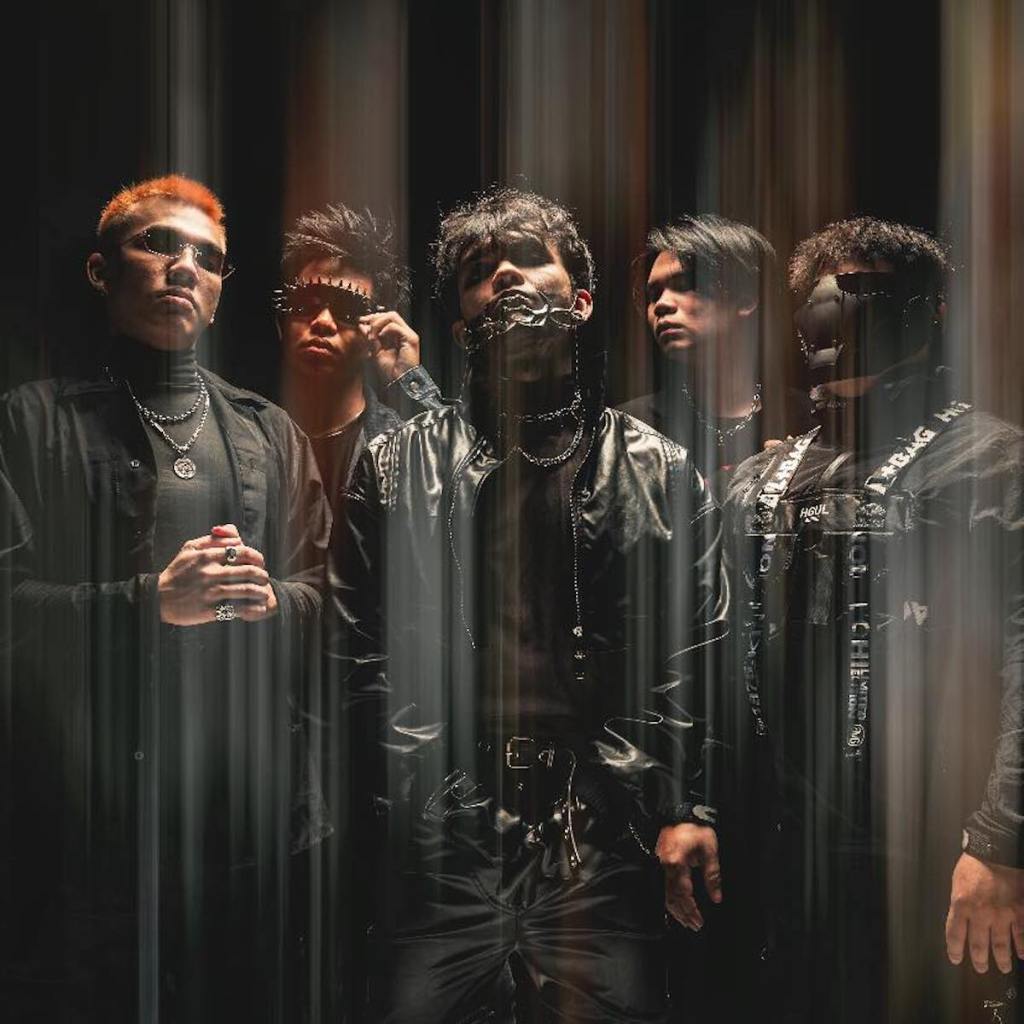
Header Photo: Kỳ Nguyễn
Back in July we shared with you the first full length deathcore album to come out of Vietnam, ‘Armageddon’ by Diarsia.
Blazing their own trail in the Saigon heavy music scene, this promising young act is one to watch. We caught up with the band to discuss their music, formation and the wider Vietnamese scene.
How did Diarsia start and has it been the same members from the start?
KHANG (Vocals): This was also a coincidence, like at that time the Vietnamese scene was not very diverse in terms of music genres, but was developing strongly, at that time I thought to myself “There are no Deathcore bands in Vietnam right now, my skills are quite suitable for that music genre” then I contacted some brothers and sisters I knew to invite them to join the band and coincidentally met Thao Nguyen (first bassist). At that time, the two of us made an appointment to have coffee and chat with each other and from there the name Diarsia was officially born. After many internal problems and issues, it was not until early 2020 that the band officially started operating with the current members Xuan Khoi and Ling Nguyen
What is the deathcore scene like in Vietnam?
KHANG: it is still on the way to develop gradually, for example, you can see that around 2023, when mentioning Deathcore Vietnam, you will think of Diarsia, besides that there are no other bands, but now they have new faces like INGORRED, the Northern giant GAI has reunited and is more formidable than before. I firmly believe that as long as we try to do what we are doing, try to spread this music genre to more future generations in Vietnam.
You said your album is the first deathcore album from Vietnam, what made you guys decide deathcore was the music you wanted to play together?
KHÔI (guitars): We are not a very first deathcore band in Vietnam but our album is the first deathcore album from Vietnam. We love breakdowns, we love brutal, so it’s no way to against us to play music together.
What have been the challenges you’ve faced- both recording, writing and playing live?
KHÔI:Since our music is not easy so there is a lot of challenges while we writing, recording and also playing live:
When we sit together and start writing, every one have ideas but they cant fit in a song, so it took us few months to finish the complete first single ‘Purge‘. After that we find out the way to make every one can work together and move on to finish the album.
-We are also playing live while writing so the challenge is we didn’t have enough songs to play in 30min so we decided to cover few songs of Chelsea Grin, Suicide Silence, Black Tongue,…
– Be side that recording and producing the album took a lot of time and money, and that’s why until almost 4 years working we have finished it.
What are your goals for the future?
LING (guitars): The heavy metal genre in general or deathcore in particular do not have to develop rapidly, because it is impossible in Vietnam at the present. Therefore, I think the future goal of the band is sustainable development, with a clear plan and not to be rushed. After releasing the debut album, I also gained some experience which allows me to have a more suitable vision for Diarsia. First of all, we will release a metalcore EP in 2025 and experiment with some new, lighter materials to reach more listeners, yet still not losing our core values.
Where do you see the Vietnamese heavy music scene going in the future?
CƯỜNG (bass): Heavy music in Vietnam is following an interesting trajectory. Over the past decade, there has been a significant increase in the diversity of genres, from metalcore and death metal to hardcore, punk, post-hardcore, and deathcore. This growth has been driven by community along with greater access to global music through social media.
Looking ahead, several thing might shape the future of heavy music in Vietnam:
- Increased Influence: In recent years, many international bands have come to perform with local bands, creating a diverse range of shows. Vietnam has also added its own flavor by incorporating traditional Vietnamese music elements into heavy music (e.g., Lý Bực).
- Enhanced Local Support: As local music venues and festivals continue to grow, there will be more opportunities for bands to reach a wider audience. Increased media presence and support from fans and promoters could further boost the development of heavy music.
- DIY Culture: The DIY is common in the heavy music community, leading to many self-produced and independently released tracks. This can result in greater musical diversity, better recording quality, and further development of the sound engineering industry.
- Young Talent: Young musicians inspired by both local and international music are expected to bring new potential and extend the reach of Vietnamese heavy music beyond the country’s borders.
Overall, the future looks promising with strong potential for growth. Bands should focus on maintaining and improving their craft. With better music quality, they will likely gain recognition from both domestic and international audiences.
Any further comments/things to add?
KIỆT: I hope in the future in Vietnam have so many stage for heavy music and community more and more widely recognised.
You can follow the bands journey and find their music right here.
![Born Of Osiris w/Signs Of The Swarm [LIVE REPORT] Lion Arts Factory, 18/3/26](https://noisenvisuals.net/wp-content/uploads/2026/03/pxl_20260318_105420365.jpg?w=1024)
 noisenvisuals.net
Leave a comment