
Just saying the name BABYMETAL seems to prompt people across the metal spectrum to drop their opinions. Are they metal or not? While the debate has been raging on for years, the Japanese phenom has been carving out a path of utter excellence, establishing its own genre, ‘Kawaii Metal’.
Before kawaii metal, BABYMETAL’s origins can be traced back to the Japanese idol scene. For those who have not been acquainted with idol music or the chika (underground) idol scene, it can feel like a completely different world. Idols, who can be soloists or groups, are entertainers. While their primary skill is singing, they are usually meant to embody the entire package. Singing, dancing, acting, modelling…idols, of any gender, that represent a specific area of the Japanese entertainment industry.
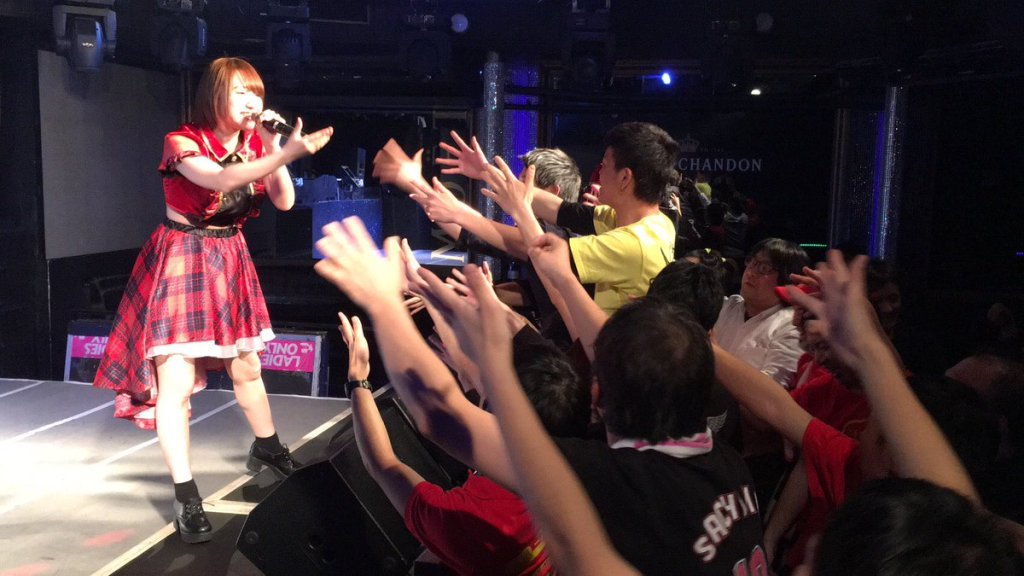
In the West, we may be quick to link to something similar to our pop stars, especially the late 80s-early 00s boyband/girlband era. In this current time, it maybe conflated with K-Pop but the culture around idol groups goes beyond that. Idols are not just entertainers on stage or screen; they also are expected to create a connection with their bands. They can be commercialised or endorsed with merchandise items, and it can lead to fans becoming incredibly devoted to supporting their favourites.
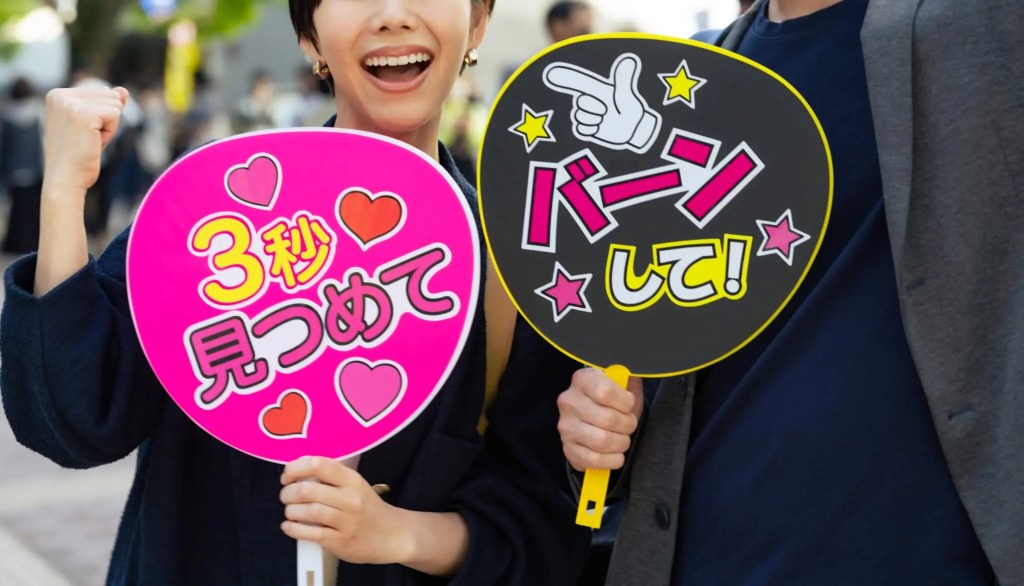
An idol show is a completely different beast, regardless of the music genre. For the unfamiliar, it can feel like stepping into a completely different world. A world of light sticks, fan chants and an enthusiasm that could rival many of the wildest mosh pits you’ve ever seen. With the coordination of a cheerleading squad, and the pep too, an idol show is an organised chaos of fandom at its peak. It does not stop when the show finishes, with fan activities like meet-ups, high touches and photo opportunities, the devotion of idol fans and those who partake in the idol culture can reach levels of beyond obsession.
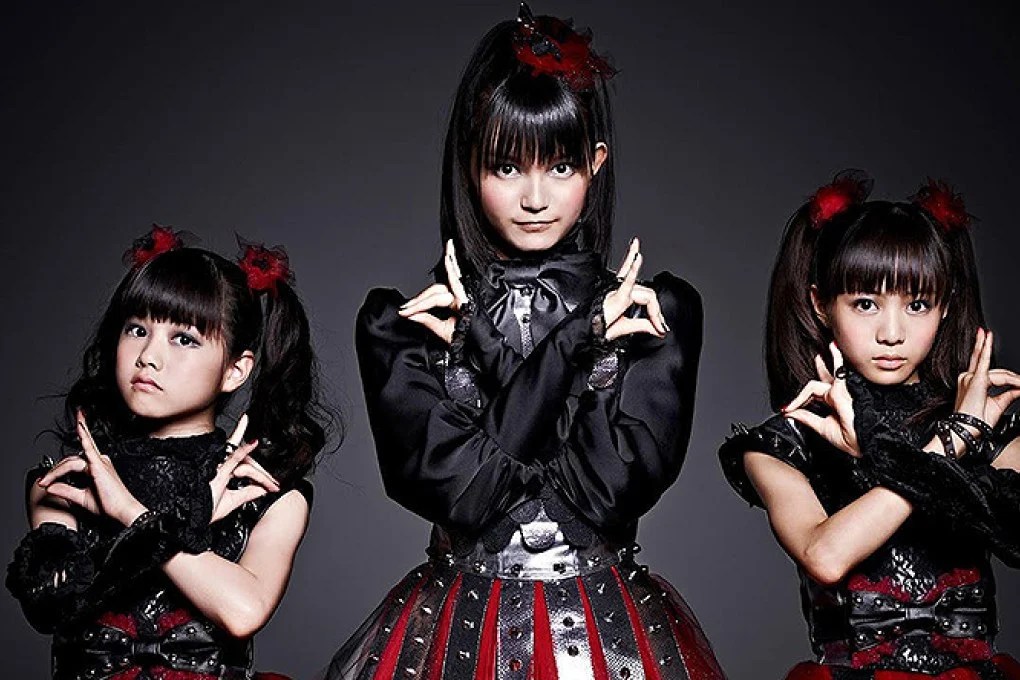
This is where the concept of BABYMETAL comes from. Originally forming from as a sub-unit of idol group, Sakura Gakuin (it is not uncommon for a few members of a larger group to join together to create a more specific themed group, or as it’s named, a unit) in 2010, the idea was to blend the idol performance and cuteness with heavy music. Idols Suzuka Nakamoto, who took on the moniker “Su-metal“, Moa Kikuchi (Moa metal), and at that time, Yui Mizuno (Yuimetal), backed by their Kami band (a group of rotating, masked, anonymous session musicians) and produced by Key Kobayashi (more known as Kobametal) came together to create what has now become a global force.
Since then, BABYMETAL has created a real conundrum in people’s minds. Surely the idea of an idol goes against the original idea of alternative music? It is easy to say that when you look at the idea of an idol metal band from a corporation or a major label perspective, but the idol industry has so much more depth than the typical pop idols we’ve come to know in mainstream music. In fact, chika idol culture, is quite popular among metalheads in Japan. It is also a big employer for session musicians, which, when it comes down to it, is not much different from them filling in for other bands. Japan’s chika idol culture has also influenced other neighbouring music scenes, for example, Thai acts like AKIRA KURO and DEADKAT, who also follow the idol formula.
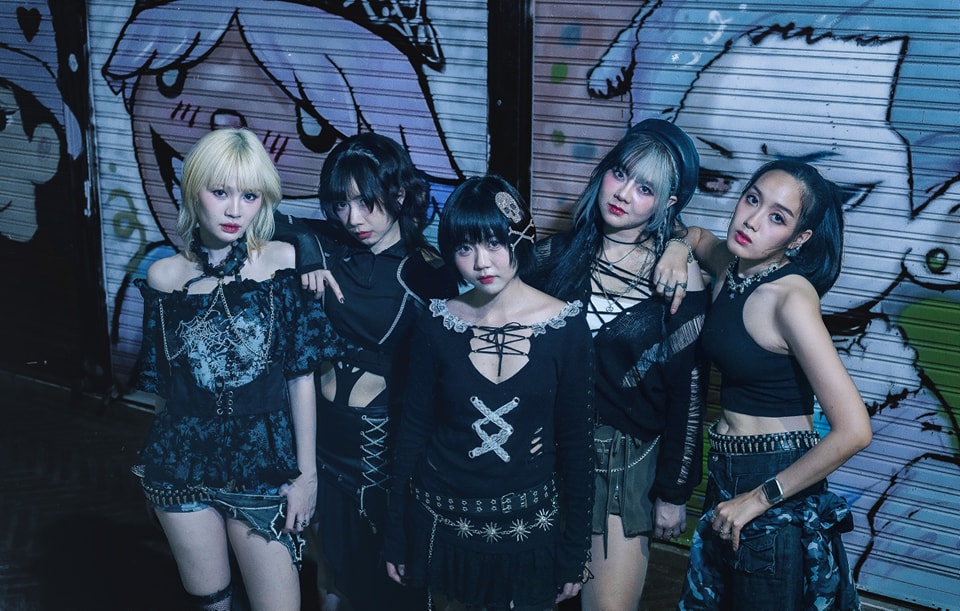
Japan also has quite a prominent scene of “girls bands” as they are affectionately known, but when it comes to idol metal or kawaii metal, but there is quite a difference in the way these bands are structured. Bands like Hanabie., Lovebites and BRIDEAR often get lumped into this kind of kawaii metal category, and while there might be crossovers in fanbase, it is quite a different culture surrounding the music. Whereas bands like PassCode, Broken By The Scream and the more underground MAZE fit more into this genre. All are still heavy, but the roles of the idols versus the more traditional style metal bands are quite different, along with the culture surrounding them.
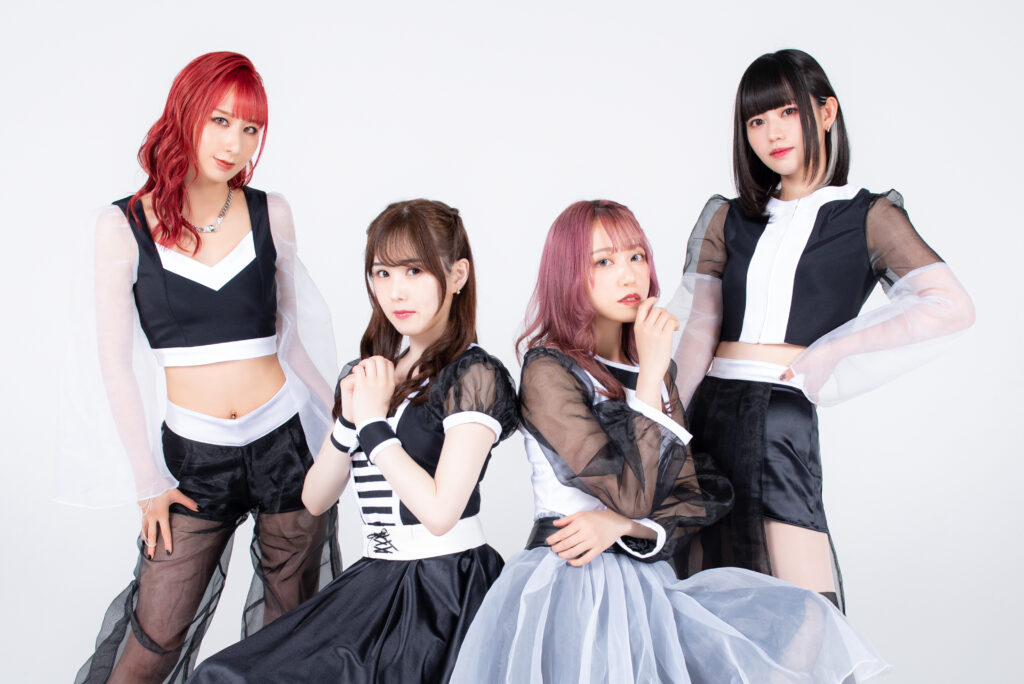
When it comes to the criticisms of idol metal bands, it is not completely without warrant, but at the end of the day, all it really comes down to is personal preference. (There are also facets of idol culture that might also be cause for concern, but that is another article for another day.) At shows in Tokyo, you might see fans at a show or festival getting down to MAZE, and then throwing down in the pit to a more traditional heavy band. The music is still written by metal-minded people, it is still played live and let’s be honest, there are a lot of bands where other members don’t have much input into the music.

At the end of the day, BABYMETAL have gone from young idols to celebrated and respected vocalists in the scene. Sui-metal, Moa-metal and now Momoko Okazaki, aka Momo-metal, are a great reminder that it is okay to have fun in music. From collaborating with the genre’s biggest names to touring the world, they’ve become one of Japan’s hottest metal exports. From their idol metal roots to their current kawaii metal style, there is no doubt that they are here to stay.
And if you’ve seen them live, you know the show goes hard.
If you haven’t and live in Australia?
Well, now is your time.
BABYMETAL is about to start their Aussie tour, taking on some big venues. Joining them will be India’s finest BLOODYWOOD and Floridian pop-punk sensation Magnolia Park.
With some shows already sold out, don’t wait to grab your tickets.
Find them here.
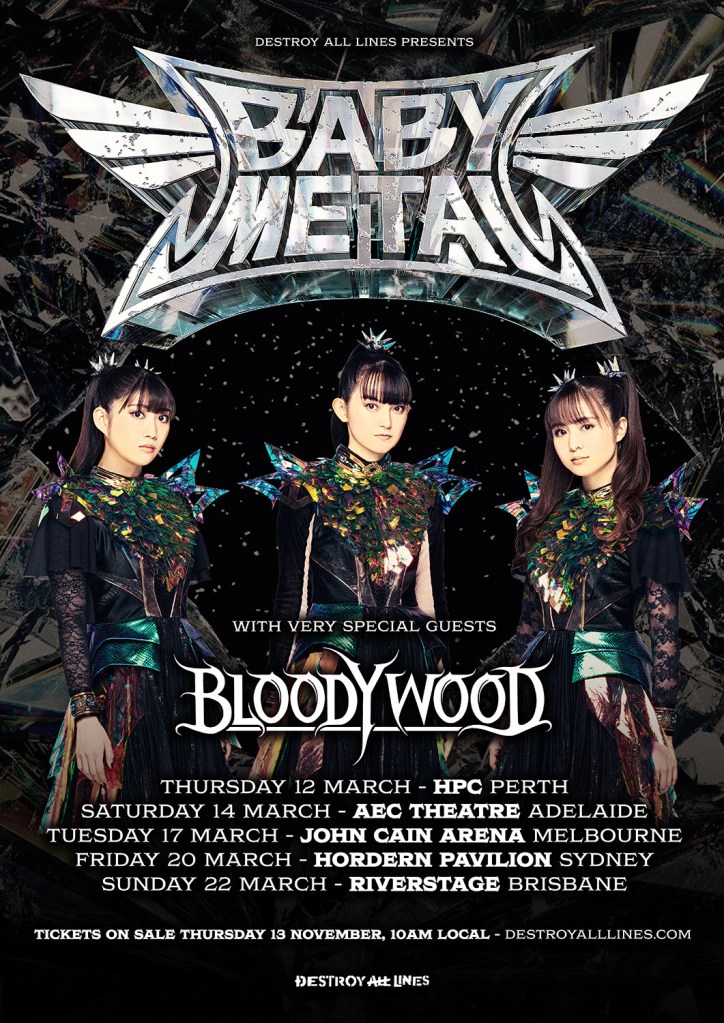
Thursday 12 March – HPC, Perth
Saturday 14 March – AEC Theatre, Adelaide Sold Out
Tuesday 17 March – John Cain Arena, Melbourne
Thursday 19 March – Hordern Pavilion, Sydney
Friday 20 March – Hordern Pavilion, Sydney Sold Out
Sunday 22 March – Riverstage, Brisbane

![THE GLOOM IN THE CORNER- ‘Royal Discordance’ [Album Review]](https://noisenvisuals.net/wp-content/uploads/2026/03/unnamed-12.jpg?w=1024)
 noisenvisuals.net
Leave a comment